
In the fast-paced world of tech, where data zips around at warp speed, protecting that precious info is more crucial than ever. When it comes to keeping your business network locked down tight, it’s all about understanding the “enterprise network security solutions explained” like a pro. Grab your digital magnifying glass, because we’re diving deep into the world of enterprise network security with some cool and savvy explanations.
The Basics of Enterprise Network Security
So, what’s the lowdown on enterprise network security solutions explained? Imagine your network as a bustling fortress. Every email, data packet, or app is like a visitor trying to get in. Without security solutions, it’s a free-for-all — not exactly a good idea if you’re handling sensitive stuff. These solutions are like your digital bodyguards, sifting the good from the bad.
Companies today face some wild threats. Think hackers, malware, and even the sneaky insider threat. That’s why solid enterprise network security solutions explained in comprehensible terms are your best friends. They throw up firewalls, encrypt sensitive data, and keep a watchful eye 24/7. Without these protections, your enterprise could face not just downtime, but major breaches that can cost big bucks and reputational damage.
And, don’t think for a second it’s just for the tech geeks. Whether you’re the company’s lead tech wizard or just trying to keep informed, understanding enterprise network security solutions enables you to be part of the conversation, making sure your enterprise is as safe as Fort Knox. From VPNs to IDS, knowing what’s out there lets you keep your cyber defenses one step ahead of potential threats.
Why Do We Need These Solutions?
1. Data Protection: Yeah, it’s pretty much at the top of the list. Without these solutions, sensitive info could leak faster than a busted faucet. “Enterprise network security solutions explained” isn’t just vocabulary—it’s defense in depth.
2. Threat Mitigation: From viruses to phishing, threats are everywhere. These solutions are like the bouncers at an exclusive club, letting in the cool patrons and keeping the sketchy ones out.
3. Compliance: Regulations like GDPR are no joke. Enterprise network security solutions explained help businesses stay on the right side of the law, avoiding those killer fines.
4. Peace of Mind: Knowing your network’s secure lets you sleep easy. Seriously, there’s nothing worse than waking up to a digital disaster.
5. Cost Efficiency: Investing in security solutions now can save mucho dinero in the long run, by avoiding data breaches and downtime.
Key Components to Understand
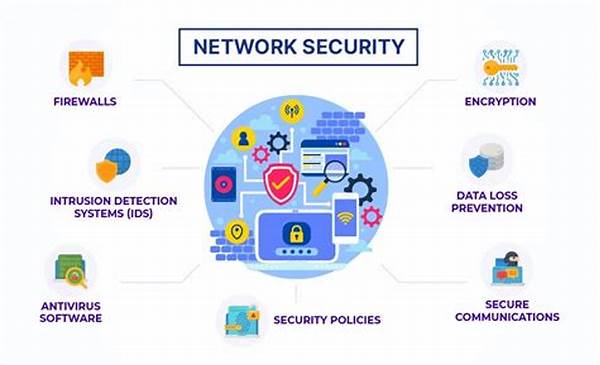
When we’re talking “enterprise network security solutions explained,” it’s crucial to get the basic components straight. Picture your network as a castle. Firewalls? They’re like the castle walls, keeping out invaders. Then there’s intrusion detection systems (IDS), like watchful guards patrolling for any suspicious activity. And hey, don’t forget encryption, which scrambles data into secret code before it heads into the wild.
But let’s not stop there. You’ve got VPNs — basically, secure tunnels for your data to travel through without getting intercepted. Think of these as secret paths for transporting sensitive information. Then there are antivirus and anti-malware programs standing ready to smack any pesky digital threats. All these tools, when working together, create a solid chain of defense.
Finally, remember, it’s not just about tech—it’s about people too. Training employees to recognize threats, being aware of common security pitfalls, and having a response plan in place all play into the grand scheme. “Enterprise network security solutions explained” fully means incorporating smart human practices with kickass tech solutions.
How Enterprise Security Solutions Evolve Over Time
1. Reactive to Proactive: Security isn’t just about reacting anymore. Modern solutions anticipate threats before they hit.
2. AI and Machine Learning: They’re revolutionizing the game. These technologies learn patterns and flag dodgy activity faster than you can say “cyberthreat.”
3. Cloud Security: As businesses move to the cloud, so do security measures, ensuring those virtual assets stay locked up tight.
4. Mobile Security: With everyone on their smartphones, mobile security solutions ensure gadgets don’t become gateways for cyber crooks.
5. Zero Trust Model: Trust no one, even those inside. This model means continuously verifying any and everything trying to connect to your enterprise network.
6. Integration and Automation: New blend of tech makes managing vast security landscapes a breeze, freeing up human resources to tackle more strategic problems.
7. User Behavioral Analytics: Monitoring user habits to flag abnormal activity for potential threats or breaches.
8. Internet of Things (IoT) Security: As everything gets connected, unique solutions ensure these devices don’t turn into entry points for attacks.
9. Regulation Compliance Tools: Keeping up with rules and regulations is easier with tech designed to monitor and ensure compliance.
10. Advanced Data Encryption: As hackers get savvier, encryption methodologies evolve to stay one step ahead.
Implementing Effective Network Security
When implementing enterprise network security solutions explained, the operative word is “effective.” You need solutions tailored to fit the unique needs of your enterprise. This isn’t a one-size-fits-all scenario. Start by assessing potential risks and vulnerabilities within your network. What might be a boon to one business could be a bust for another.
Once you have identified what’s needed, it’s all about customization. Deploying firewalls and implementing strong password policies is a great start, but you should also think bigger. Engage your IT team or consult security experts to tailor security measures that align with your organization’s goals and technological framework.
Don’t forget the human factor, either. Security training and awareness programs can transform your workforce into a savvy first line of defense. When employees understand potential threats and what to look for, it makes your entire enterprise stronger. It’s about creating a security culture where everyone knows the role they play in safeguarding the network.
Staying Ahead of Threats
Turning the tide against potential threats requires more than just static defense. “Enterprise network security solutions explained” doesn’t stop at technology deployment; it’s an ongoing battle. Staying ahead means regularly updating all security protocols, keeping abreast of new threat vectors, and ensuring your defense arsenal is equipped with the latest innovations.
Utilize security metrics and analytics to spot trends and forecast potential vulnerabilities. With the rapid growth of AI, machine learning can analyze massive data sets faster than any human could, flagging anomalies and suggesting tweaks to your existing network protocols. It’s about embracing a proactive, rather than reactive, mindset.
Engagement in peer networks and security forums also provides invaluable insights. Hearing firsthand about the experiences and strategies of others aids in strengthening your knowledge and approach to security. After all, an informed enterprise is a resilient enterprise, ready to tackle whatever digital adversities come its way.
Wrapping Up
So, there you have it, the essence of enterprise network security solutions explained. It’s not just jargon— it’s the key to keeping your business running smoothly in today’s digital landscape. As technology evolves, so do the threats that accompany it. But equipped with a comprehensive understanding and robust security measures, your enterprise can confidently face the future.
Security isn’t a destination but a journey. It takes commitment, resources, and continual effort to protect your assets effectively. Embrace the challenge, consistently educate your team, and through consistent vigilance and adapting to technological advancements, your company will remain secure and potent against the tricky cyber environment.

